OpenAI Atlas: The Essential AI Browser Guide
AI · 23 Oct 2025
OpenAI Atlas explained — features, comparisons, pricing, and real-world use cases to boost productivity and research.
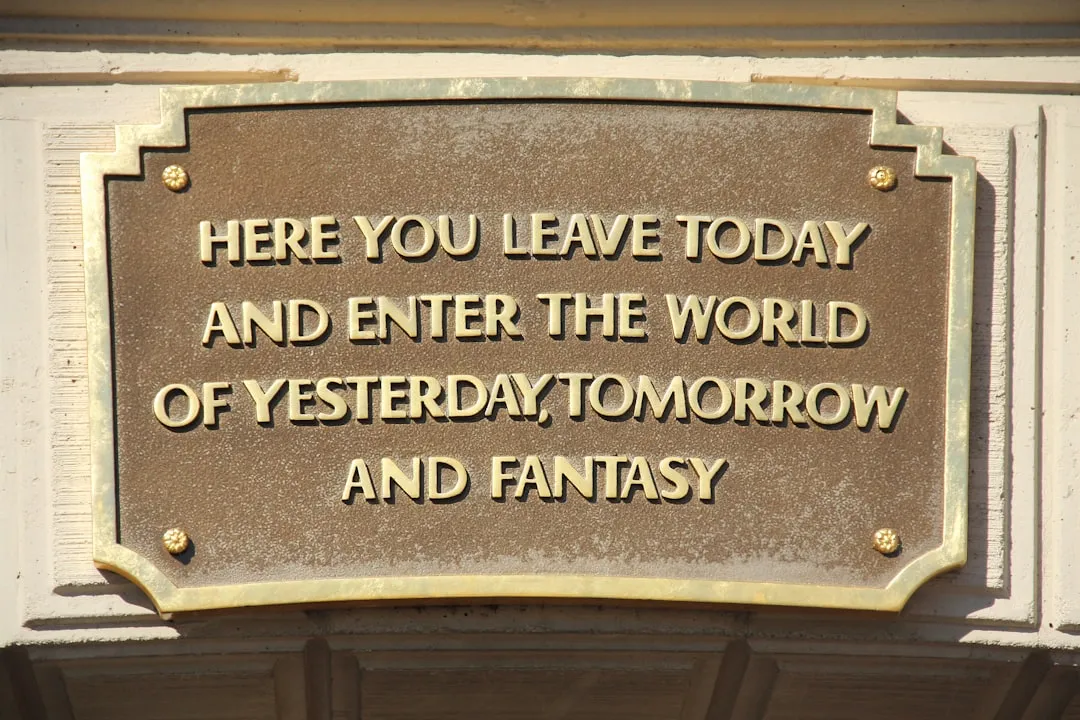
OpenAI, Disney reach $1B deal to license 200+ characters for Sora; three-year license, APIs and ChatGPT integration announced.
general · 29 Dec 2025
The Walt Disney Company and OpenAI reached a landmark agreement on Dec. 11, 2025, to license more than 200 characters from Disney, Marvel, Pixar and Star Wars for use on OpenAI’s Sora platform while Disney makes a US$1 billion equity investment and integrates OpenAI APIs and ChatGPT tools into its product and employee workflows to expand AI-powered storytelling and creative tooling.
The headline financial structure pairs a US$1 billion equity investment by Disney with a three-year licensing window that grants authenticated access to a curated catalog of characters for Sora’s short-form, user-prompted social videos. The equity stake aligns incentives: Disney becomes a strategic investor and major OpenAI customer, while OpenAI secures premium, controlled IP that can drive user growth and paid features.
Key data points:
Actionable insight: companies evaluating similar IP licensing should model a mixed-value approach—combine equity, time-limited licenses, and API-level controls to balance upside and brand protection. A sample KPI set for such deals: authenticated MAUs, per-video revenue, brand safety flags per million prompts, and talent-likeness dispute rates.
Disney’s licensed roster reportedly spans flagship characters such as Mickey Mouse and Elsa; Marvel heroes like Iron Man and Spider-Man; Pixar favorites like Woody and Buzz Lightyear; and Star Wars icons including Rey and Grogu. The agreement focuses on short, social-format clips that users can prompt and generate through Sora with constraints on duration, context, and monetization.
Examples of permitted use-cases include:
Restrictions and guardrails are explicit: commercial re-use beyond platform monetization, deepfakes of talent likenesses without consent, and uses that could harm IP value are blocked by policy layers and API controls.
| Character | Franchise | Example Sora Use | Permission Notes |
|---|---|---|---|
| Mickey Mouse | Disney | 30s celebratory clip for fan channels | Brand-vetted templates only |
| Iron Man | Marvel | Action-style short with licensed effects | Allowed with safety and no realistic actor mimicry |
| Buzz Lightyear | Pixar | Humorous fan skit | Family-friendly content only |
| Rey | Star Wars | Short narrative scene | Context reviewed by Disney brand team |
| Elsa | Disney | Musical snippet for social sharing | Music rights and voice likeness controls |
| Spider-Man | Marvel | Quick POV action sequence | Template-based to prevent misuse |
Beyond the licensing of characters to Sora users, the deal formalizes enterprise integration: Disney will adopt OpenAI APIs and ChatGPT tools across select product teams and employee workflows. That dual approach—public-facing Sora features and internal AI adoption—creates operational synergies and product feedback loops.
Concrete integrations include:
Actionable insight for product leaders: implement role-based API tokens, per-endpoint policy enforcement, and an audit trail for generated assets to streamline approvals and protect talent rights.
Fans get a markedly easier path to create polished, character-driven short videos without mastering complex animation tools. Sora lowers the friction: a user types a prompt, selects an authenticated character template, and receives a short clip ready for social sharing. That ease boosts engagement but raises brand control questions.
Disney’s oversight model appears multi-layered:
Examples of fan use and guardrails:
Actionable insight for community managers: create clear, discoverable content policies, provide official template packs, and offer a simple appeals pathway to reduce friction and legal disputes.
Financially, this deal blurs lines between content owner and platform partner. Disney’s US$1 billion equity investment signals belief in OpenAI’s long-term growth while positioning Disney to monetize IP through controlled platform experiences.
Potential revenue levers:
Illustrative forecast table (example scenarios):
| Year | Disney Revenue from Sora | OpenAI Revenue Share | Key Driver | Risk |
|---|---|---|---|---|
| 2026 (rollout) | $50M | $20M | Initial subscriptions + marketing | Uptake, moderation costs |
| 2027 | $120M | $48M | Template marketplace + ads | Policy disputes |
| 2028 | $220M | $88M | International expansion | Regulatory scrutiny |
| 2029 | $350M | $140M | Branded partnerships | Talent compensation |
| 2030 (base) | $500M | $200M | Full platform monetization | Market competition |
Actionable insight for strategists: prioritize quick, measurable monetization features (auth tiers, branded templates) and reinvest a portion of early revenues into moderation and talent-relations teams to reduce long-term legal exposure.
Labor groups and talent representatives will watch closely. The agreement addresses likeness and voice concerns by enforcing consent mechanisms and talent oversight, but it also sets a precedent for how studios can license character IP for generative AI.
Key legal angles to monitor:
Examples of mitigation built into the deal include pre-cleared voice models, restricted commercial uses, and an API audit trail that logs generation context—measures that reduce litigation risk but may increase operating costs.
As of this announcement, the deal is signed and rollout planning is underway, with authenticated Sora access and enterprise integrations scheduled to begin in 2026 and phased global availability thereafter. Stakeholders should expect incremental feature releases: initial template packs and API endpoints, followed by expanded character sets and monetization features. Next developments to watch include regulatory filings, union responses on talent likeness, and the first user adoption metrics once Sora opens the licensed catalog. OpenAI, Disney will likely publish joint developer and brand guidelines, and product teams should prepare to implement role-based access, monitoring dashboards, and clear user-facing disclosures about AI-generated content.
AI · 23 Oct 2025
OpenAI Atlas explained — features, comparisons, pricing, and real-world use cases to boost productivity and research.
AI · 29 Dec 2025
OpenAi rolls out GPT-5.2 across ChatGPT tiers with Instant, Thinking, and Pro variants for improved accuracy and coding.
AI · 13 Nov 2025
OpenAI hires Intel AI chief Sachin Katti to lead AGI compute infrastructure, driving custom chips and data‑centre strategy.

Analytics · 13 Jan 2026
A practical, seniority-based guide to the day-to-day work of data analysts with sample job descriptions and skills.

Analytics · 12 Jan 2026
SQL for data analysts — Master 10 real-world queries with examples, tables, and actionable tips to analyze, join, and summarize data.
Analytics · 23 Dec 2025
learn data trends now: 12 practical skills to master analysis, visualization, ML, cloud platforms, pipelines, and governance.

AI · 23 Dec 2025
disco: Google Labs debuts GenTabs on Dec. 11, 2025 to convert open tabs into AI-powered web apps for complex tasks.
Analytics · 12 Dec 2025
modern data teams guide: roles, lifecycle, tools, governance, hiring — practical tips to build better data teams

AI · 19 Nov 2025
cloudflare down on Nov 18 disrupted major services globally; postmortem blames a Bot Management file and confirms full restoration by 17:06 UTC.

Analytics · 19 Nov 2025
Data visualization techniques to explain complex data to non-technical stakeholders with five patterns and examples.