Ever wondered what it really takes to be a data analyst? I mean, beyond just crunching numbers? In my journey, I’ve discovered that the skills required are not just a laundry list of technical know-how; it’s also about blending logic with a sprinkle of creativity—kind of like piecing together a puzzle or weaving a compelling story. Now, is being a data analyst a hard skill? Well, that depends on how you look at it. In "The Essential Skills I Need as a Data Analyst," I’ll share my insights on the core abilities that help me thrive in this role. So, grab a cup of coffee and let’s dive into the fascinating world of data analysis together!
Exploring essential technical and soft skills for aspiring data analysts
Exploring essential technical and soft skills for aspiring data analysts So, let’s get real for a moment. If you’re eyeing a career as a data analyst, it’s not just about mastering some fancy software or knowing your way around a spreadsheet. While technical skills are crucial, soft skills play a big role, too. Here’s why it matters: data isn’t just numbers; it tells a story. And guess what? You need to be both a storyteller and a number cruncher to make sense of it all. Let’s break down these essential skills into two buckets: technical and soft skills. **Technical Skills**
- Excel Mastery: Okay, I can’t stress this enough. Excel is like the Swiss Army knife of data analysis. Being able to manipulate data, create pivot tables, and use advanced functions is a must. Just last week, I used VLOOKUP to merge datasets, saving me hours of manual work!
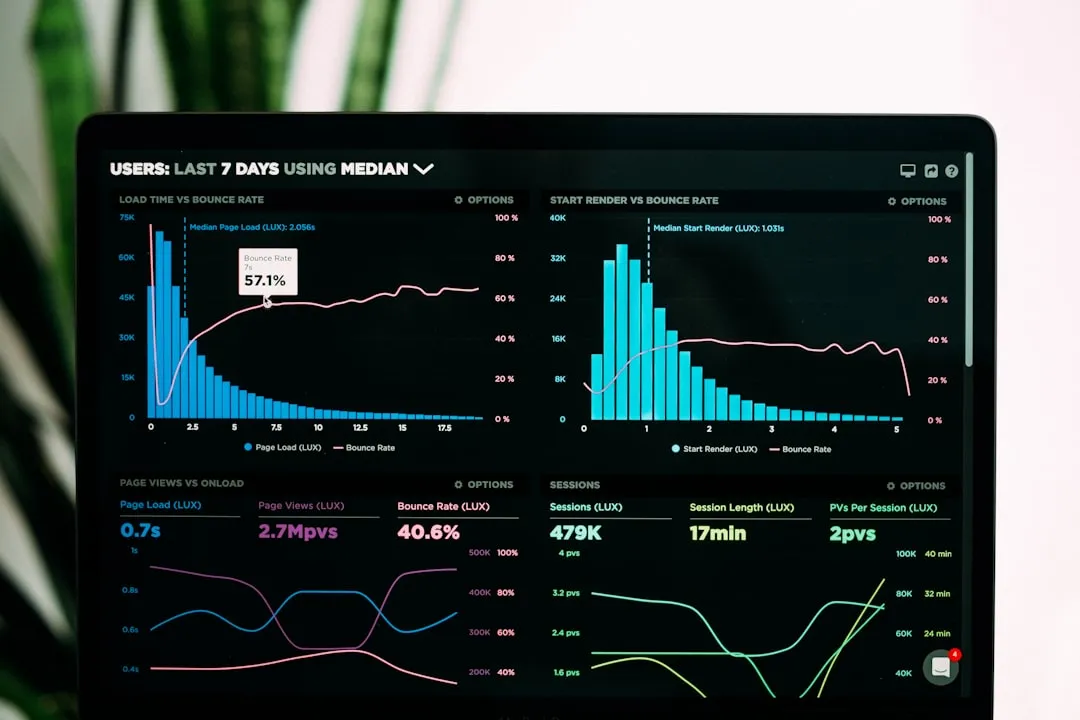
- Data Visualization: Tools like Tableau or Power BI can transform dull numbers into eye-catching visuals. Ever seen a well-made dashboard? It not only grabs attention but also helps stakeholders understand insights quickly. I often find myself creating visuals that tell a compelling story at a glance.
- SQL: Knowing how to query databases is essential. SQL lets you pull specific data points without having to sift through heaps of information. For instance, I once wrote a complex query that helped my team uncover sales trends, leading to a strategic pivot in our approach.
- Statistical Analysis: Understanding the basics of statistics allows you to interpret data correctly. Knowing what a p-value or standard deviation means can be the difference between sound insights and misleading conclusions.
**Soft Skills** Now, consider this angle: soft skills often separate the good analysts from the great ones. Here’s a quick rundown of the key soft skills that have helped me:
- Communication: Being able to explain complex concepts in simple terms is vital. I’ve had colleagues who could crunch numbers like wizards but struggled to share their findings. I’ve honed my storytelling skills to present data in a way that resonates with non-technical audiences.
- Problem-Solving: Data analysis is all about identifying problems and finding solutions. I remember when I encountered missing data; instead of panicking, I brainstormed alternative methods to fill in the gaps, which ultimately led to more robust insights.
- Critical Thinking: Not every data point is relevant. Developing the ability to sift through information and focus on what truly matters can help prioritize efforts effectively. I’ve learned to always ask myself, “What’s the story behind the data?”
- Collaboration: Data analysts often work with a variety of teams. Being open to feedback and actively collaborating can lead to more comprehensive analysis. I’ve found that bouncing ideas off teammates often leads to richer insights.
In conclusion, stepping into the shoes of a data analyst requires a balanced mix of technical proficiency and soft skills. If you’re willing to embrace both, you’ll not only enhance your career prospects but also make a real impact in your organization. Now, go out there and start mastering these skills!
Understanding the balance between hard skills and creative problem-solving
Let’s chat about the sweet spot where hard skills and creative problem-solving meet. It’s a balance worth understanding, especially if you’re diving into the world of data analysis. First off, let’s clarify what we mean by hard skills and creative problem-solving. Hard skills are the technical know-how—think of things like mastering SQL or being a whiz at Excel. On the flip side, creative problem-solving is like the magic wand that helps you navigate complex data sets and come up with innovative insights. Here’s why it matters: in a field as dynamic as data analysis, having that technical edge is fantastic, but being able to think outside the box? That’s what elevates you from a technician to a trusted advisor. ### Finding the Right Balance So, how do you strike that balance? Here’s a structured way to look at it:
- Embrace Continuous Learning: The tech landscape is always evolving. I often find myself taking online courses or attending webinars to keep my skills sharp. This helps me stay updated on the latest tools while also giving me fresh perspectives on problem-solving techniques.
- Practice Creative Thinking: Set aside time for brainstorming sessions—not just with data, but with ideas! I’ve found that when I allow myself to think freely without constraints, I often stumble upon innovative solutions to data-related issues.
- Mix Technical and Creative Skills: I love using Excel not just for its formulas, but for creating visual aids that help me and my team grasp complex data more easily. Combining these skills can lead to more impactful presentations and discussions.
- Solicit Diverse Perspectives: Working with people from different backgrounds can spark creativity. I’ve had collaborations with team members from marketing and finance, and their viewpoints pushed my analysis in new directions I hadn’t considered.
### Real-World Application Let me give you a practical example. Imagine you’re faced with a dataset that’s incomplete. The technical side might tell you how to handle missing values—like using mean imputation. But the creative problem-solving angle? Instead of just filling in gaps, why not explore what caused those gaps in the first place? Perhaps a flaw in data collection could lead to a new process improvement. That’s where you can make a substantial impact. Here’s another interesting fact: a study from the World Economic Forum ranked critical thinking and creativity as two of the top three skills needed for the workforce of the future. This means that combining your hard skills with creative thinking isn’t just beneficial; it’s essential. In closing, the balance between hard skills and creative problem-solving is like a dance. Each partner plays a crucial role, and when you learn to harmonize them, you open doors to exciting possibilities. So, whether you’re crunching numbers or crafting innovative solutions, strive for that balance—you might just find it’s the key to unlocking your potential in the data world. Now, go out there and embrace both sides of the coin!
So, here’s the thing: being a data analyst is like juggling a bunch of balls—some are technical skills, like Excel and SQL, while others are those soft skills that help you connect the dots. I can tell you from experience, it’s not just about knowing your tools; it’s about weaving a narrative that makes the data resonate with others. Yeah, it can be challenging—like trying to solve a Rubik’s cube blindfolded! But that’s where the fun lies, right? By embracing both those hard skills and the creative problem-solving side of things, I’ve found that I can really make a difference in my work. So, if you’re ready to dive in, grab that coffee and start honing your skills—you’ve got this!